
<

Destroying the Cannabis Binary

An opinion piece by Nour Abouzeid, 27/11/2024

On the 27th of November 2024, the Australian Greens Party presented their Bill to Legalise Cannabis to the Senate. Led by David Shoebridge, the Bill proposed legalisation of cannabis for adult-use, not just within a medical framework. 

Ultimately, the majority of Senators in the Australian Federal Parliament voted to block the bill: 24 “against”, and 13 “for”. 

In what may feel like a standstill in progress to break the stigma around cannabis, we asked Pharmacist and Content Writer Nour for his view and opinion on the future of cannabis legalisation in Australia:

When we speak about cannabis, particularly in the context of legalisation and decriminalisation, there is a habit of clumping cannabis use into one of two categories: either medicinal or recreational.  Apparently humanity has devolved into needing to reduce everything down to a binary before we choose to understand it. I reject this classification, we never think of caffeine as either for fun or function, it exists to enjoy and to help.  It is both things, and quite frankly, I feel the same about cannabis

“I reject this classification, we never think of caffeine as either for fun or function, it exists to enjoy and to help.  It is both things, and quite frankly, I feel the same about cannabis.” 

Nour – Pharmacist & Content Writer 

Humanity has come a long way in the last century and we now have quite advanced scientific methodologies to help us quantify the potential risks of certain behaviours and substances.  As it stands, every metric for drug safety shows cannabis to be safer than alcohol, so logically and scientifically speaking, we should have no problem with it. Yet, it seems some do have a problem with it. Frustratingly, there is still so much controversy and stigma associated with cannabis. And, as seen in the Senate debate this week, our more conservative politicians are more concerned about appeasing their constituents rather than trying to work towards the greater good.

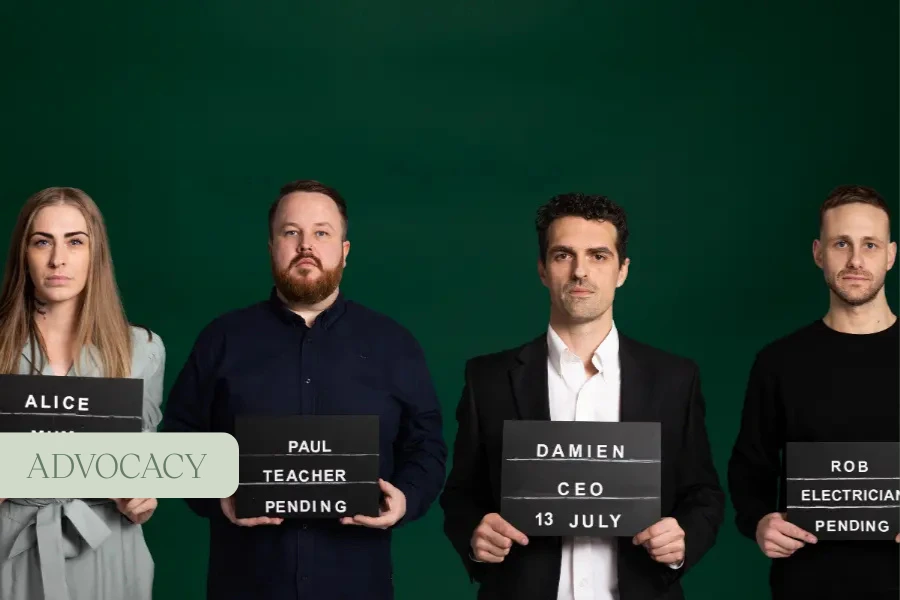
The reality is, cannabis is still subjected to so much political and social discrimination – and it is patients who suffer from this prejudice. In Australia, there are patients awaiting a trial for driving with THC in their system. A trial for a medication that has been prescribed by their doctor. Many of them were not “stoned”, or impaired whilst driving – merely traces of THC lingering in their system because that is the nature of THC. THC can often linger around for a while while having no effect on the individual.  In 2022-23 over 7,000 Victorians were charged for presence alone, compared to around 100 charged for impairment. Thus, while it may not seem important to many people, cannabis decriminalisation is in fact a step towards justice.

Cannabis has been used for millennia, in a variety of different ways.  It was used medically, spiritually and recreationally with seemingly no issues surrounding this overly exaggerated notion that it may be a harm to society.  Part of the reason we do not have the body of research for medicinal cannabis that we have for other medications is because of its illegal status in most countries for the last century.  This politically motivated ban has literally been a hindrance to actual scientific research that may have helped a countless number of people with their lives.  We have learnt over the years, and particularly from the example of prohibition of alcohol in the USA, that criminalising substances does not always solve problems of drug abuse. Here in Australia, the Australian Capital Territory, where limited cannabis decriminalisation was implemented in January 2020,a review in August 2024 showed these reforms have nearly eliminated cannabis-related offences in the ACT. In many scenarios, like that of cannabis, regulation may in fact have better outcomes for our society as a whole.  Even from a state-centric perspective, regulation means reducing the impact of illegal markets while allowing everyone to benefit from legal trade and taxation.

Current governments in Australia have been quick to respond to anything they deem too difficult by just banning it.  We have the wildly controversial ban on vapes, even when cigarettes are still readily available and now there are talks of the government considering a ban on social media for children.  What I see here are lazy lawmakers, who want simple solutions but have no vested interest in putting in work for the future.  Society changes and new challenges arise, and just sweeping them under the rug does not make them disappear.  So whether cannabis is medicinal or otherwise, is irrelevant.  It is a plant, grown in the ground for thousands of years, and has always been around – restricting it has done nothing but drive people back to the black market. So, the real problem here is poor policy making. 

Cannabis exists, and always has, and what we need is a movement to embrace it and facilitate it safely for people who need it, and people who want it.  Life is not easy for many of us, but there are a variety of things the universe provides to us to help us get through and for many people, cannabis just happens to be one of them.  

Good and bad, are relative terms and are ever-changing.  When faced with new challenges regarding these perceived moral questions, we as a people and as governments need to analyse scientifically and empirically the harms and benefits they pose and approach them with an open mind.  

When confronting the unknown we often respond from a place of fear. But, at some point we collectively (paraphrasing Louisa May Alcott) have to stop being afraid of storms – we must unite and learn how to sail the ship. Let’s legalise cannabis, once and for all.

<

Vape and Mirrors

Imagine it’s 1946. You can’t afford a television yet, so you read the paper. There’s an advertisement that reads “More Doctors Smoke Camels Than Any Other Cigarette”. 

This was a campaign run by the R.J. Reynolds Tobacco Company, and featured such lines as, “The reasons so many doctors prefer Camels are the same reason you’ll prefer Camels mildness and flavour.” Fast forward a couple of decades and tobacco smoking has been linked to not only airway and heart disease, but a risk factor for almost every type of cancer.

It goes without saying that your local doctor is not out there spruiking for cigarette companies anymore. In fact, advertising for tobacco is heavily regulated and restricted in most countries. Where once smoking was normalised, all medical professionals now agree that quitting smoking is effectively one of the best things smokers can do to reduce their risk of severe illness—and there are a variety of options available to help them overcome the addiction. Nicotine replacement therapy in the form of patches, gums and sprays has been commonplace for some time, as well as a couple of pharmaceutical options.

Then the vape came along, initially introduced as another instrument in the toolbelt of smoking cessation, except that it was cool and colourful and tasted like watermelons and raspberries and rainbows and bad decisions. Nicotine is one of the most addictive substances known to man, and while we use it to get people off harmful tobacco smoking, packaging it in shiny colourful tubes with flavours such as double apple and lush ice is likely to attract a crowd.

Inevitably this has resulted in an entire group of people newly addicted to nicotine who were not previously smokers. Vapes have found themselves all over high schools around the country, which has forced the government to step in. Now, we do not have the kind of information about the harms of vaping that we do about cigarettes, but one thing we have learnt since 1946 is to not wait until we have a cancer ward full of smokers before we do something about it.

This has resulted in the heavily publicised banning of the importation and sales of vapes and vaping hardware from tobacconists around the country with fines in the millions for transgressors. Many doctors, however, agree that despite the harms of vaping, what we can ascertain from the information we do have is that they are still safer alternatives to smoking tobacco. Whilst certain vapes have been available on prescription from doctors for some time, as of the 1st of October, low-dose nicotine vapes (20mg/mL or less) are now accessible over the counter from pharmacies following consultation with a pharmacist.

This won’t mean that rebellious youth can wag school to go to the pharmacy and buy vapes. They will only be available to current smokers or vapers who are over 18, and the only flavours available are mint, menthol, tobacco and unflavoured. One of the other issues with black market vapes is a lack of transparency with the ingredients and nicotine strength. The vapes accessible from pharmacies all use pharmaceutical-grade ingredients and there is a lot more transparency about what is in them and the actual amount of nicotine, which makes it easier to work towards actually quitting.

If you are struggling with a smoking addiction and other nicotine replacement options have failed you, or if you hit a vape once at a party and now throw a tantrum when your vape gets lost in the couch, pharmaceutical vaping options may be a suitable alternative. Speak to one of our pharmacists today to discuss what smoking cessation options may be best for you.  

<

Astrid and Western Sydney University presents Endometriosis Clinical Trials

Endometriosis is a condition affecting almost 1 million women in Australia – that’s around 1 in 7 women.

**UPDATE 16th January 2025**

We are pleased to share that Western Sydney University’s EndoCann Clinical Trial is now recruiting participants from Queensland, Victoria, ACT, South Australia and Western Australia (not just from NSW as previously required). If you are interested in being part of this trial, please reach out to us hello@astrid.health or the EndoCann team endocanntrial@westernsydney.edu.au

Astrid has always been passionate about progressing the research into relief of chronic pain, and we help many patients who suffer from Endometriosis.

We are honoured to be working with Western Sydney University on two Endometriosis Clinical Trials. The EndoCann trials will explore two types of medicinal cannabis products on the symptoms of endometriosis.

If you are aged over 18 and have a diagnosis of endometriosis, you may be eligible to participate.

Spread the word and be part of a hopeful future with greater pain relief. 

What is a Clinical Trial?

A clinical trial tests new treatments to see if they’re safe and effective. The EndoCann trial is studying medicinal cannabis to manage endometriosis pain. 

What is medicinal cannabis?

Medicinal cannabis is the use of the cannabis plant or its extracts for medical purposes. It contains compounds called cannabinoids (CBD, THC)  that can help relieve symptoms like pain, inflammation and others. For women with endometriosis, medicinal cannabis may be a treatment option when traditional medications don’t provide enough relief from pain and other symptoms. 

Why You Should Join a Clinical Trial?

If you’re dealing with endometriosis pain, this trial might help you find relief. You’ll get to try new treatments that could ease your symptoms, with expert doctors supporting you along the way—completely free. While it may not work for everyone, it’s a step toward feeling better and improving your day-to-day life.

What’s involved?

You’ll start with an initial assessment, including a doctor’s visit, blood tests, and an ultrasound. 

Then, you’ll be placed in one of three groups—CBD-only oil, a balanced THC oil, or a placebo (no active ingredients). Over six months, you’ll track your symptoms using a smartphone app and have follow-ups like blood tests and optional ultrasounds.

Can anyone participate?

You must be 18 or older, live in or be able to travel to Sydney, and have a confirmed diagnosis of endometriosis from tests like laparoscopy, MRI, or ultrasound. You also shouldn’t have used cannabis in the last three months. For more details, check the eligibility requirements!

Where can I find more information?

You can learn more about the clinical trial here.

<

Introducing Astrid’s Smoking & Vaping Cessation Service

Here is everything you need to know about Australia’s new vape laws.

As of October 1, 2024, Australia has implemented significant changes to its vaping laws aimed at both protecting young Australians and the wider community from the risks associated with vaping, and making therapeutic nicotine vapes more accessible to adults. 

These reforms support individuals seeking to start their smoking cessation journey or manage nicotine dependence while ensuring that therapeutic vapes are available for those who need them in clinical situations.

These new regulations allow for the purchase of vapes with nicotine concentrations up to 20 mg/mL without a prescription for eligible adults over the age of 18. 

Why Astrid is offering a Smoking & Vaping Cessation Service

At Astrid, we believe holistic health is a journey and we are here to support you. Whether you’re looking to quit smoking or would like to explore alternative nicotine dependency pathways, we recognise every cessation journey is different.

Astrid’s friendly, highly-trained pharmacists will have a chat with you and determine your eligibility, if nicotine vapes (up to 20 mg/mL) are right for you, offer personalised advice, and support you on your path to smoking cessation. 

Keeping in mind, therapeutic vapes are one of many options, and whilst not necessarily a first line of treatment for smoking cessation, it is certainly one most often enquired about. 

To help you navigate the changing laws, we’re here to answer some of your frequently asked questions:

  • What is the process for accessing over-the-counter nicotine vapes?
    1. Eligibility Screening: Your eligibility for nicotine vaping products is assessed with a 30-second questionnaire
    2. Pharmacist Consultation: If eligible, you can visit or call our pharmacists who will provide guidance on safe usage and offer support for your smoking cessation journey
    3. Products Dispensed: Once approved, the pharmacist will dispense the appropriate nicotine vaping products
  • What are therapeutic vapes, and how are they used?
    • Therapeutic vapes are vaping products used to aid in smoking cessation or to manage nicotine dependence. From 1 October 2024, pharmacists will be able to supply these products without a prescription under specific conditions.

  • Do I need a prescription to get a nicotine vape?
    • No, from 1 October 2024, patients aged 18 years or over will no longer need a prescription to access vapes with less than 20 mg/ml nicotine (if eligible).

  • What do I need to provide to buy a therapeutic vape?
    • You will need to provide evidence of your age and identity, as nicotine vapes can only be supplied to people aged 18 years or older; you will need to meet eligibility criteria.

  • Will the pharmacist give me advice on how to use a therapeutic vape?
    • Yes, pharmacists will provide advice. They will also inform you about alternative cessation therapies and smoking cessation support services.

  • How much vape liquid can I buy?
    • Pharmacists can only supply up to 1 month’s supply of vaping liquid.

  • What nicotine strength can I purchase without a prescription?
    • The nicotine concentration in therapeutic vapes must not exceed 20 mg/mL. If you require a higher concentration, a prescription from a doctor or nurse practitioner is required. See QuitRx website for more information.

  • Can someone under 18 purchase a vape?
    • No, therapeutic vapes cannot be supplied to individuals under 18 years old, unless prescribed by a medical or nurse practitioner.

We know every cessation journey is different, and are proud to offer a supportive and informative service. If you have more questions, feel free to ask your pharmacist at Astrid Dispensary.

Get started on your smoking and vaping cessation journey today: https://astrid.clinic/smoking-cessation-services/ 

All information is accurate at the time of publication: 8th October 2024

Vapes have not been assessed for safety and efficacy and are considered unregistered goods by the TGA. Access more information from The Vaping Hub (TGA).

<

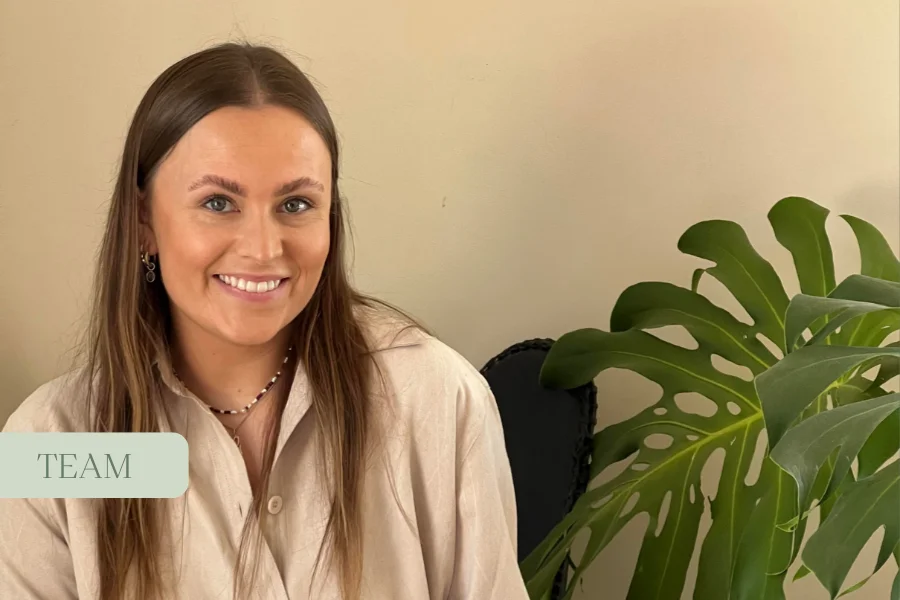
Meet our People: Georgina Phin, Naturopath at Astrid Clinic

Meet Georgina– our newest naturopath, who’s here to make a meaningful impact on our holistic approach.

With her passion for natural health and commitment to patient care, she’s not just joining our team—she’s here to inspire and transform lives. Get to know her and discover the exciting ways she’ll be contributing to our mission of holistic wellbeing!

Can you share what a naturopath’s role looks like and how it contributes to our holistic approach?

A naturopath will ask in-depth questions about your body systems related to your health concerns, as well as investigate aspects of your life such as diet, exercise, hobbies, and family history. This comprehensive approach provides insight into the many factors that could be contributing to your state of health, allowing us to address the root causes of issues. Our treatments include food as medicine, herbal medicine, nutritional supplementation, and lifestyle advice.

What do you think people need to know about naturopathy and its role in holistic health?

It is definitely important that people know that although Naturopathy is a form of natural medicine, it doesn’t mean that treatments we use aren’t evidence based. Australian Naturopaths are regulated by a governing body such as Naturopaths & Herbalists Association of Australia (NHAA), and they hold Bachelor’s in Health Science majoring in Naturopathy.

Naturopathy plays a significant role in holistic health and upholds six core principles:

  • First Do No Harm
  • The Healing Power of Nature
  • Identify and Treat the Causes
  • Doctor as Teacher
  • Treat the Whole Person
  • Prevention

How do you navigate any stigma or challenges associated with naturopathy in the broader healthcare industry?

As mentioned previously, Australian Naturopaths hold Bachelor’s in Health Science and are heavily regulated. Ensuring people know this definitely helps to reduce some of the stigma associated with Naturopathy and natural medicine. I feel that it is also so important to continue to educate patients on natural medicine and to just keep advocating! I think it is only uphill from here.

How do you stay up to date with the latest industry updates, research, and developments in natural medicine/therapy?

I stay current by attending annual symposiums and regularly participating in webinars hosted by other practitioners or naturopathic associations. I also read journal articles and enjoy discussing new research with colleagues from my university studies.

What do you hope for the future of natural therapy?

I hope that in the future natural medicine starts to get more recognition for it is – effective! I really hope for more clinical trials and other quality research to prove the efficiency herbal medicine has on treating various conditions and the quality of life it can provide to patients.

If you work directly with patients, can you share a story of how natural medicine has positively impacted someone’s life?

I have seen natural medicine positively impact so many people’s lives. The first that comes to mind are my Endometriosis patients. Various natural treatments have been widely studied regarding their anti-inflammatory, neuroprotective and hepatoprotective capabilities for Endometriosis. Through using the natural approach, I have seen a great deal of positive changes with the patients mental health, as well as a reduction in their pain and inflammation. I have also seen positive changes with their liver function – the liver is a key part of treating Endometriosis as we need the liver to be functioning optimally so oestrogen is not being poorly metabolised and being reabsorbed in the body, as this can lead to an increase in endometriosis flare up due to it being an oestrogen dominant condition.

We’re proud to have such a dedicated naturopath on our team, whose commitment to evidence-based practices and patient empowerment aligns perfectly with our holistic vision. Her passion for natural medicine and her proactive approach to health are valuable assets to Astrid, and we look forward to the positive impact she will continue to make on our patients’ lives.

Book a naturopathy appointment with Georgina here.